Urban mobility is steadily moving toward cleaner and more cost-effective solutions, and electric cycles are emerging as a serious alternative to petrol-powered two-wheelers. With rising fuel costs and crowded streets, commuters are looking for options that are efficient, reliable, and easy to live with.
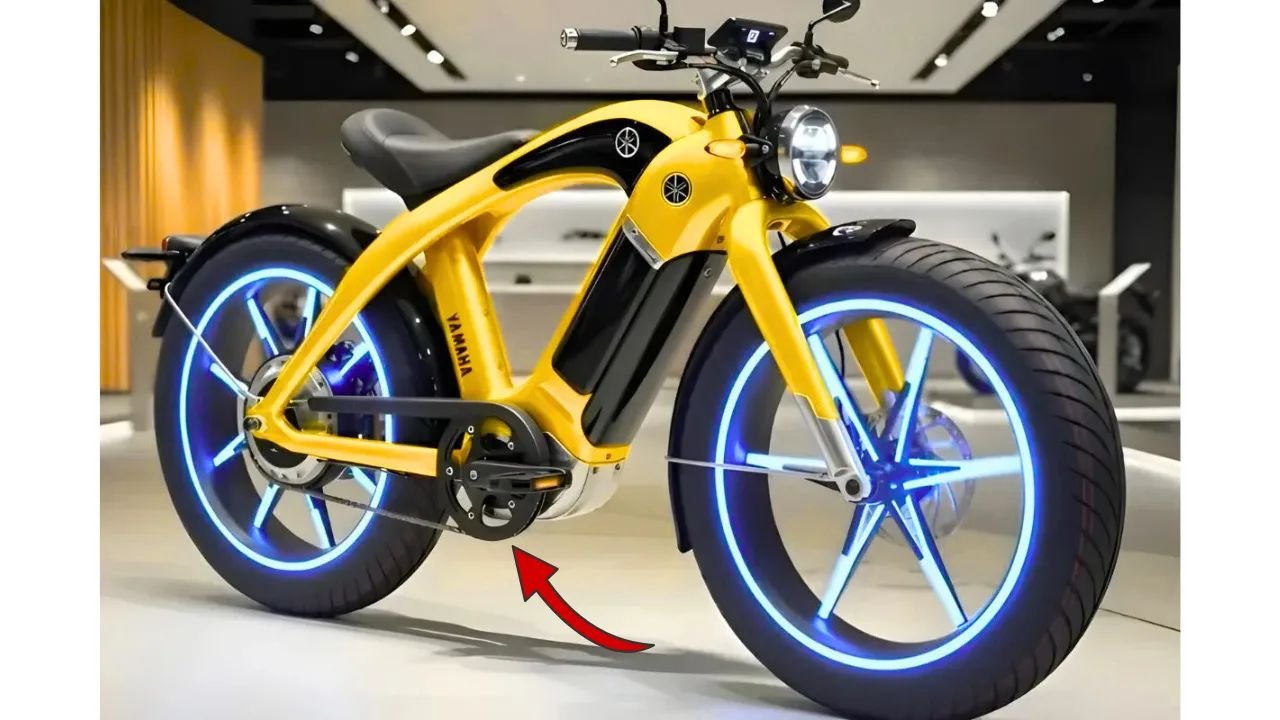
The latest electric cycle from Yamaha arrives at the right moment. Offering a claimed range of up to 80KM and essential smart features, it focuses on everyday usability rather than headline-grabbing performance—making it highly relevant for daily riders.
What Sets This New Model Apart

Yamaha’s approach with this electric cycle is clear: prioritize practicality, efficiency, and comfort. It’s built for urban and semi-urban environments where short, frequent trips define daily use.
Balanced for Real-World Needs
Instead of chasing high power figures, the cycle focuses on delivering consistent performance with manageable weight and dependable range. The result is a product that feels approachable for both new and experienced riders.
Design and Build Quality
Lightweight Yet Sturdy Frame
The cycle uses an aluminum alloy frame that keeps overall weight between 22 to 28 kilograms. This ensures easy handling in traffic while maintaining durability for everyday riding.

The design language remains clean and understated, appealing to a wide range of users without overly aggressive styling.
Practical Layout for Daily Use
An upright riding position reduces strain on the back and shoulders, especially during longer commutes. The seat height is accessible, making it suitable for riders of varying heights.
Optional accessories like a rear carrier and storage basket add to its everyday practicality.
Motor Performance and Ride Experience
Efficient Hub Motor Setup

The electric cycle is powered by a 250W to 350W BLDC hub motor. It delivers smooth and quiet performance, ideal for navigating city streets.
Top speed is limited to around 25 km/h, aligning with urban commuting requirements and regulatory standards.
Flexible Riding Modes
Riders can switch between pedal-assist and throttle modes. Pedal assist helps extend battery life while reducing effort, while throttle mode offers convenience in stop-and-go traffic.
The power delivery remains predictable, which is particularly helpful for riders transitioning from conventional bicycles.
Range and Charging Convenience
Built for Daily Commutes
The claimed range of 60 to 80 kilometers per charge makes it suitable for routine city travel. For users covering 15–20 kilometers a day, charging may only be needed a few times per week.
Charging time falls between 4 to 6 hours, allowing easy overnight charging at home.
Key Variants and Options
Yamaha offers multiple versions tailored to different budgets and needs:
| Variant | Motor Output | Key Features | Ideal Use Case |
|---|---|---|---|
| Standard | 250W | Basic assist, essential display | Budget-friendly commuting |
| Sport | 300W | Enhanced assist modes | Daily mixed usage |
| Premium | 350W | Smart features, GPS, anti-theft | Feature-focused riders |
Comfort and Everyday Usability
Designed for Long Rides
The ergonomic seat and well-positioned handlebars improve rider comfort. Suspension components help absorb minor bumps, making rides smoother on uneven roads.
Easy Control Layout
The handlebar controls are simple and intuitive, allowing riders to switch modes without distraction. This enhances confidence in busy traffic conditions.
Technology and Safety Features
Reliable Braking Performance
Depending on the variant, the cycle comes with disc or drum brakes. Both setups offer consistent stopping power, which is crucial for urban riding.
Smart Digital Features
A digital display shows speed, battery status, and riding mode. Higher variants include GPS tracking and anti-theft systems, addressing common concerns around urban parking.
LED lighting ensures better visibility during low-light conditions.
Pricing and Ownership Value
With pricing ranging from ₹45,000 to ₹90,000, the Yamaha electric cycle remains accessible compared to most motorized two-wheelers.
Lower running costs, minimal maintenance, and no fuel dependency make it an economical long-term choice. Yamaha’s widespread service network also ensures easy access to support and spare parts.
Why It Matters for Daily Riders
Electric cycles are increasingly becoming a practical solution for short-distance commuting. They offer independence, low operating costs, and reduced environmental impact.
Yamaha’s entry strengthens confidence in this segment by combining reliable engineering with everyday functionality.
Final Verdict
The Yamaha electric cycle delivers exactly what urban commuters need—usable range, dependable performance, and essential smart features at a reasonable price.
It avoids unnecessary complexity and focuses on real-world usability. For riders seeking an efficient and eco-friendly commuting solution backed by a trusted brand, this electric cycle stands out as a sensible and well-rounded choice.